Zero-Waste Flavor Scaffolding: Turning Scraps Into Building Blocks, Not Just Stock
Published on
For a long time, the default use for kitchen scraps was stock — peels, stems, and ends simmered down into something generically savory, with little character of their own. A different approach has been gaining ground among home cooks and chefs: treating those same scraps not as background filler but as distinct ingredients, extracted or preserved in ways that produce a specific, identifiable flavor rather than a vague savoriness.
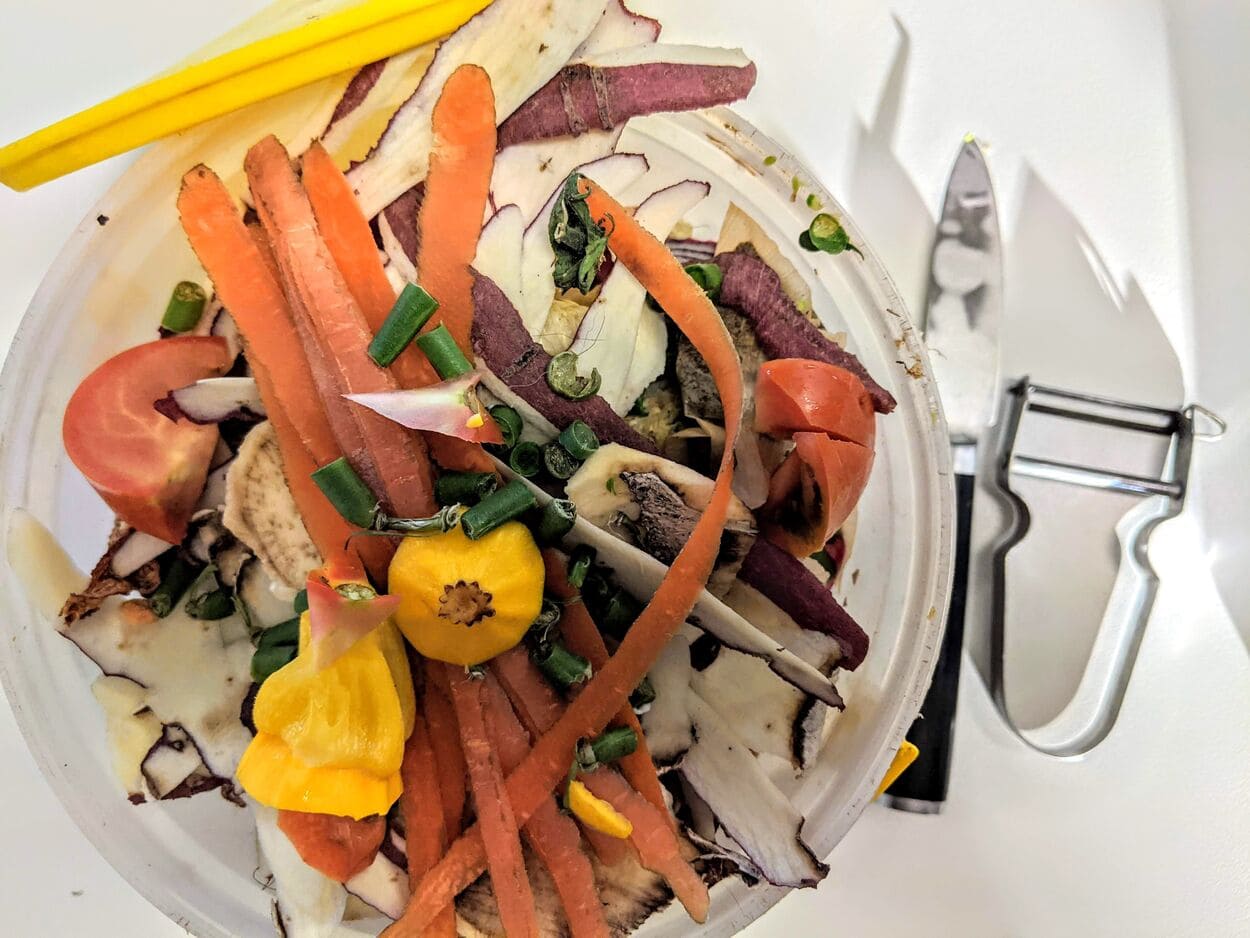
Call it flavor scaffolding — building a dish's depth from components made entirely from what would otherwise be thrown away. This isn't a single, named movement with a fixed set of rules. It's better understood as a shift in approach within the broader zero-waste and root-to-stem cooking world: instead of asking "how do I use this scrap up," the question becomes "what can this scrap become on its own." That distinction matters, because it changes the technique. Stock-making is additive — you throw everything in and extract a general flavor. Flavor scaffolding is closer to how a spice or condiment gets made: a single scrap, processed deliberately, to produce one specific, concentrated result.
Allium skin ash
Onion and garlic skins are usually the first thing into the compost bin, but dried and charred, they become something closer to a seasoning than a byproduct. The technique is straightforward: the dry, papery outer skins (not the moist inner layers) are baked or dried until they turn very dark, almost black, then ground into a fine powder. The result delivers a smoky, umami-forward allium flavor that's considerably more concentrated than the onion or garlic it came from — it functions more like a finishing spice than a cooking ingredient, used the way you'd use a pinch of salt or pepper, sprinkled over soups, roasted vegetables, or grain dishes. This is a documented, long-standing technique among chefs working with vegetable byproducts, not a speculative idea — plain onion skin powder (dehydrated without charring) is a milder, more neutral version of the same principle.
Fermented bread liquid
Stale bread doesn't have to become breadcrumbs or croutons — fermented, it becomes a drink. Bread kvass, a centuries-old Eastern European tradition, is made by steeping toasted stale bread (traditionally dark rye) in water, then fermenting the resulting liquid with wild yeast or a sourdough starter and a small amount of sugar. The finished product is mildly acidic, faintly sweet-and-sour, and lightly effervescent — traditionally drunk on its own, but also useful as a flavor base in cooking: as a tangy braising liquid, a marinade component, or a substitute for vinegar or beer in a recipe that wants some acidity and malty depth. Because it's a genuine fermentation rather than a simple infusion, the flavor develops over a few days rather than instantly, and the bread itself is typically discarded once its sugars and flavor compounds have been extracted into the liquid.
Herb stem oil
The stems of soft herbs like parsley, cilantro, and basil carry much of the plant's aromatic intensity but are routinely discarded in favor of the leaves. Infused slowly into a neutral or mild oil — either gently heated or left to steep cold over time — the stems release their aromatic compounds into the oil, producing a finishing oil that's often more intensely flavored than one made from the leaves alone, since the stems are where a lot of the plant's essential oils concentrate. Strained and bottled, it works as a drizzle over soups, roasted vegetables, grilled fish, or flatbreads — a way of getting an herb's full aromatic character out of a part of the plant that would otherwise be trimmed and tossed.
Why this works as a general approach
These three techniques point to a common underlying logic that extends well beyond the specific examples:
- Concentration over dilution. Rather than combining many scraps into one pot (as with stock), each technique isolates a single scrap and processes it specifically to pull out its most distinctive quality — smokiness from char, acidity from fermentation, aromatic oil from infusion.
- A different technique for a different part. Dry, papery parts (allium skins) suit dehydration and charring. Starchy, porous parts (stale bread) suit fermentation, which needs sugars to work with. Aromatic, oil-rich parts (herb stems) suit infusion, which pulls fat-soluble compounds into a medium that can carry them. Matching the technique to what the scrap is actually made of, rather than applying one default method to everything, is what separates this from generic "use up your scraps" advice.
- Finished products, not leftovers. Each of these results in something shelf-stable or at least kitchen-stable on its own — a jar of powder, a bottle of oil, a jug of fermented liquid — that gets used deliberately in future dishes, rather than being a one-time use for whatever's about to spoil.
Other scraps that fit the same logic
The same principle extends to other commonly discarded parts, several of which have their own established traditions:
- Citrus peels, dried or candied, concentrate aromatic oils that the pulp and juice don't carry in the same way — used as zest-forward garnishes or steeped into syrups.
- Parmesan rinds, simmered in soups, stews, or broths, slowly release salt and umami without fully dissolving, then get pulled out before serving.
- Vegetable peels and cores (carrot, beet, cauliflower), roasted hard rather than simmered gently, develop char and caramelization that a long-simmered stock never achieves.
The difference between zero-waste cooking in general and flavor scaffolding specifically comes down to intent. Using up scraps in a general stock or broth is about not wasting food; building a specific powder, oil, or ferment from a single scrap is about extracting a flavor that wouldn't otherwise exist in the kitchen at all. The former is thrift. The latter treats what's normally discarded as a genuine ingredient — one that, handled with the right technique, can do something the "main" ingredient never could.